From a Certified Centre to a Model for Primary Health Care
In Ferizaj, one team's commitment to making quality an integral part of everyday care has become an example from which others can learn. Family Medicine Centre No. 2, the first primary health care facility in the country to be certified according to the ISO 9001:2015 standard, is now sharing its journey with professionals from other municipalities.
Behind this achievement lie staff dedication, standardised processes and shared responsibility for the services provided. Support from the Accessible Quality Healthcare (AQH) Project and professional mentoring have helped Family Medicine Centre No. 2 develop the capacities and practices needed to establish and consolidate its Quality Management System (QMS).
At the heart of this system are the people who put it into practice every day. Documents and procedures become valuable when professionals use them to identify challenges and improve their work. Through this commitment, standards become embedded in the institution's operations, with the patient at the centre.
“Quality does not begin with certification. Quality begins with our attitude towards work”
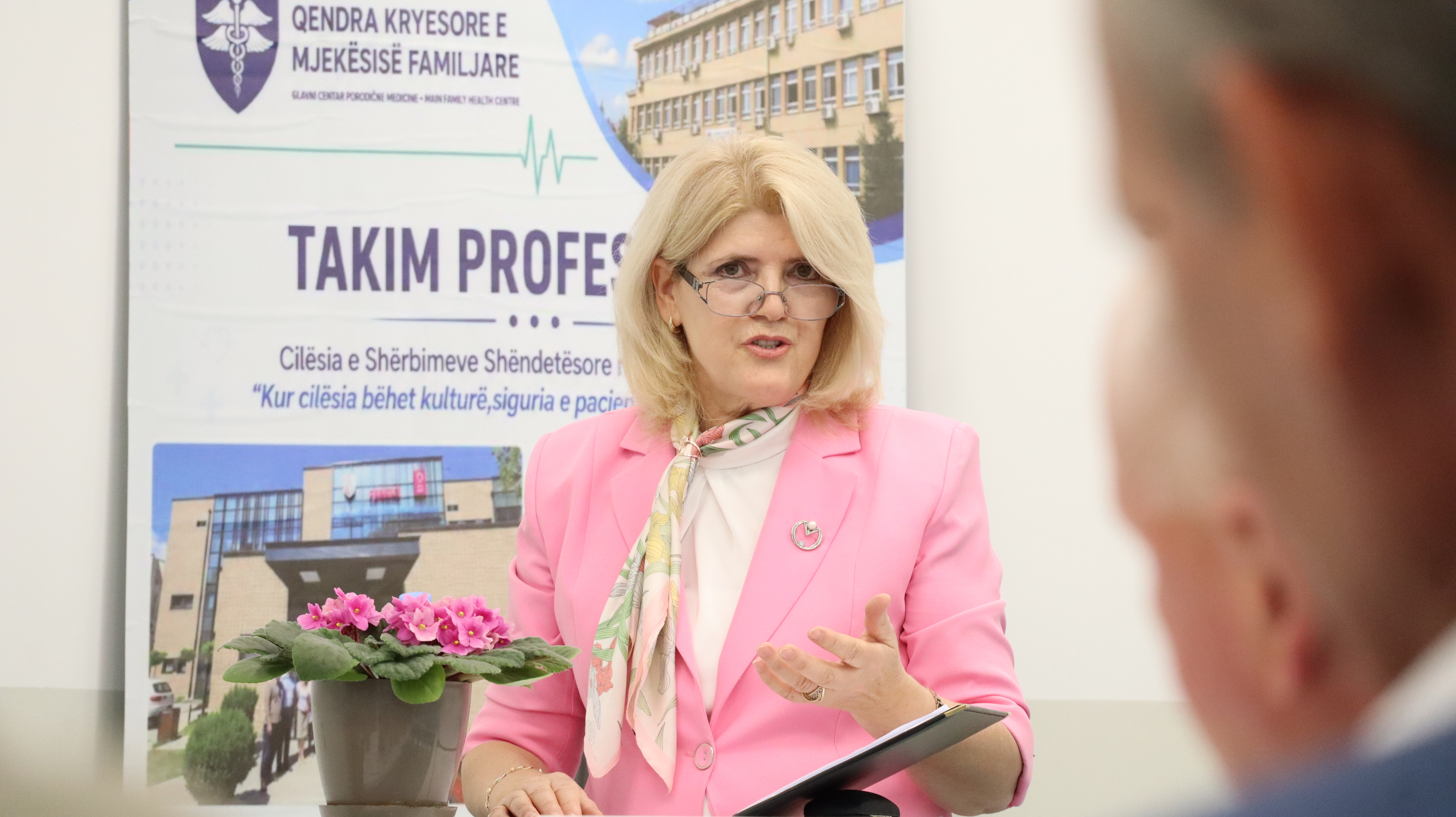
This is how Dr Nadire Ymeri, Director of the Main Family Medicine Centre (MFMC) in Ferizaj, sums up this journey. For her, certification reflects the team's ongoing efforts and a philosophy in which everyone has a role to play in improving care.
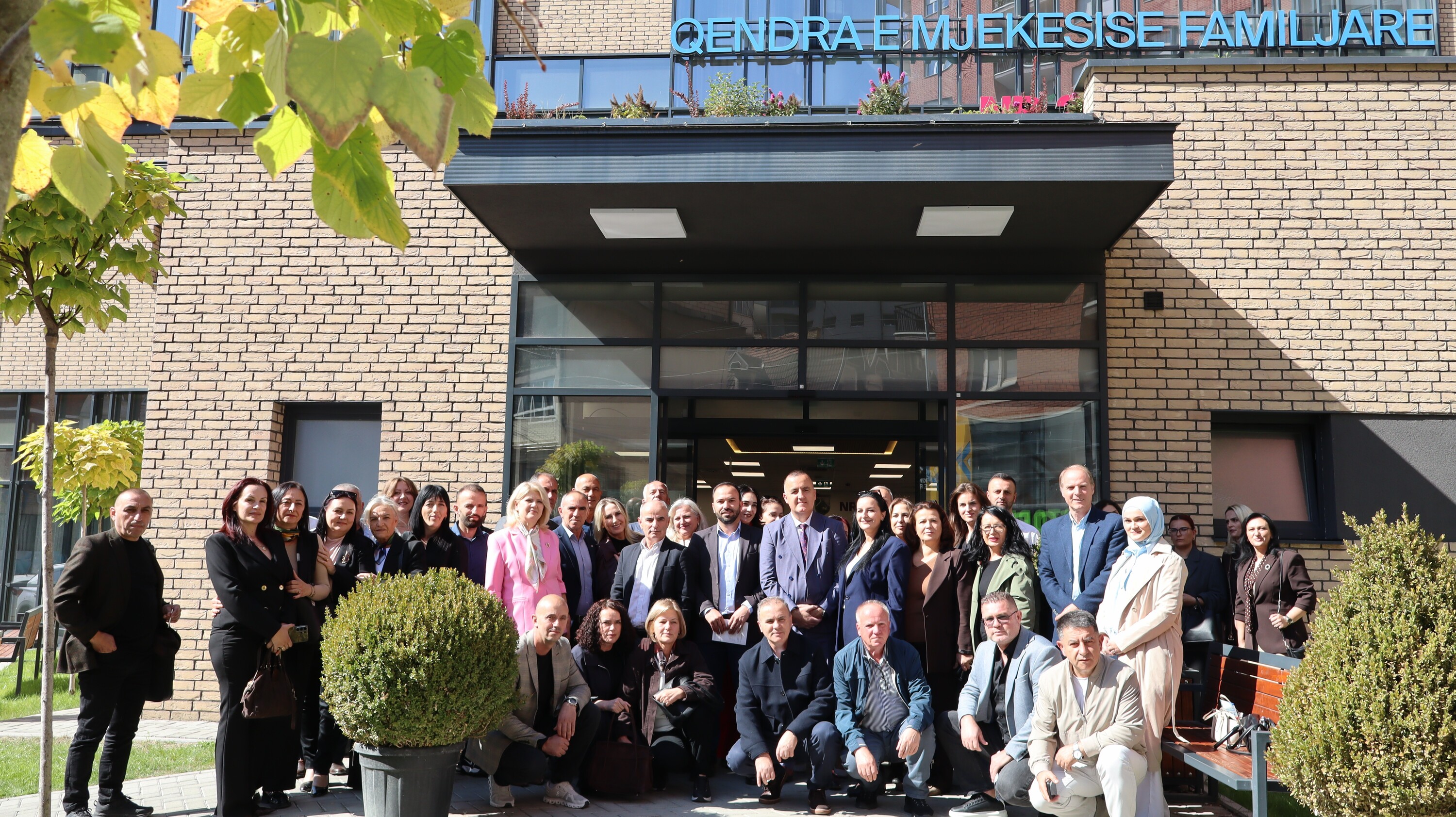
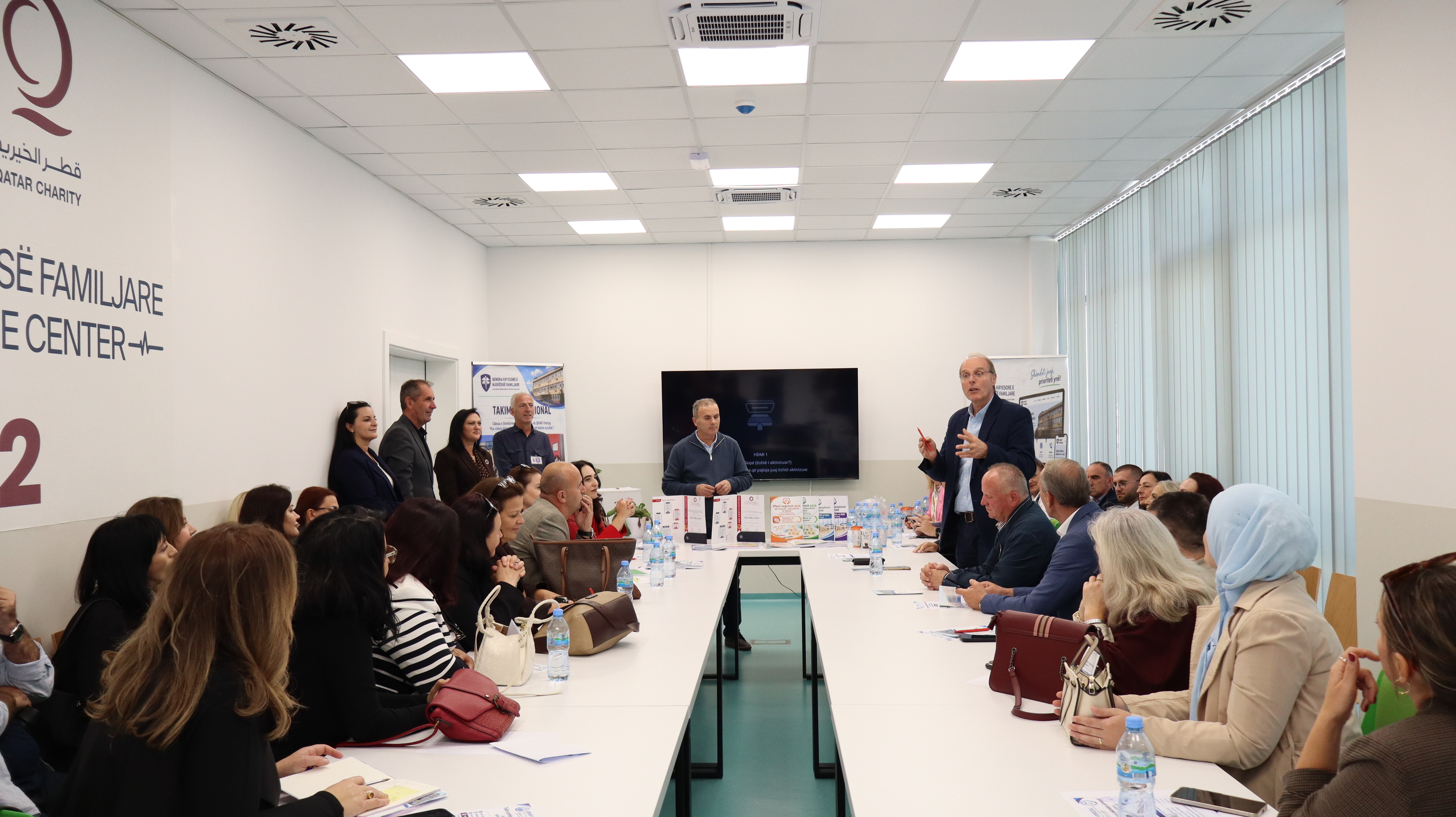
This experience became the starting point for a professional exchange on 8 October 2026, when Family Medicine Centre No. 2 opened its doors to representatives of the Ministry of Health, municipal institutions, quality officers from MFMCs in several municipalities, healthcare professionals, and AQH representatives and mentors. Supported by the project and held under the theme “When Quality Becomes a Culture, Patient Safety Becomes an Outcome”, the meeting transformed the centre into a space for peer learning.
During the visit, participants learned about the organisation of work, documentation and the QMS Museum. These provided an opportunity to gain a closer understanding of the steps towards certification and how standardised processes are implemented in practice.
The discussions also highlighted the challenges involved in this work. One important message was that a functioning system helps an institution identify and analyse problems, turning them into opportunities for improvement. The willingness to share both achievements and difficulties makes the example of Ferizaj particularly valuable for other centres.
The Value of This Model Extends Beyond Certification
Through local capacity development and exchanges between institutions, AQH helps turn the experience gained at one centre into a source of knowledge for others. In Ferizaj, this connection became evident: the team that had worked to establish its own quality management system was now sharing what it had learned with colleagues.
The strength of this model lies in the staff's ability to maintain and further develop the system they have built. By sharing this experience, Family Medicine Centre No. 2 demonstrates that change is built step by step, by professionals who take responsibility and work together to deliver higher-quality care.